Big Tax Refunds This Year: Why 2025 Refunds Are Higher Than Ever
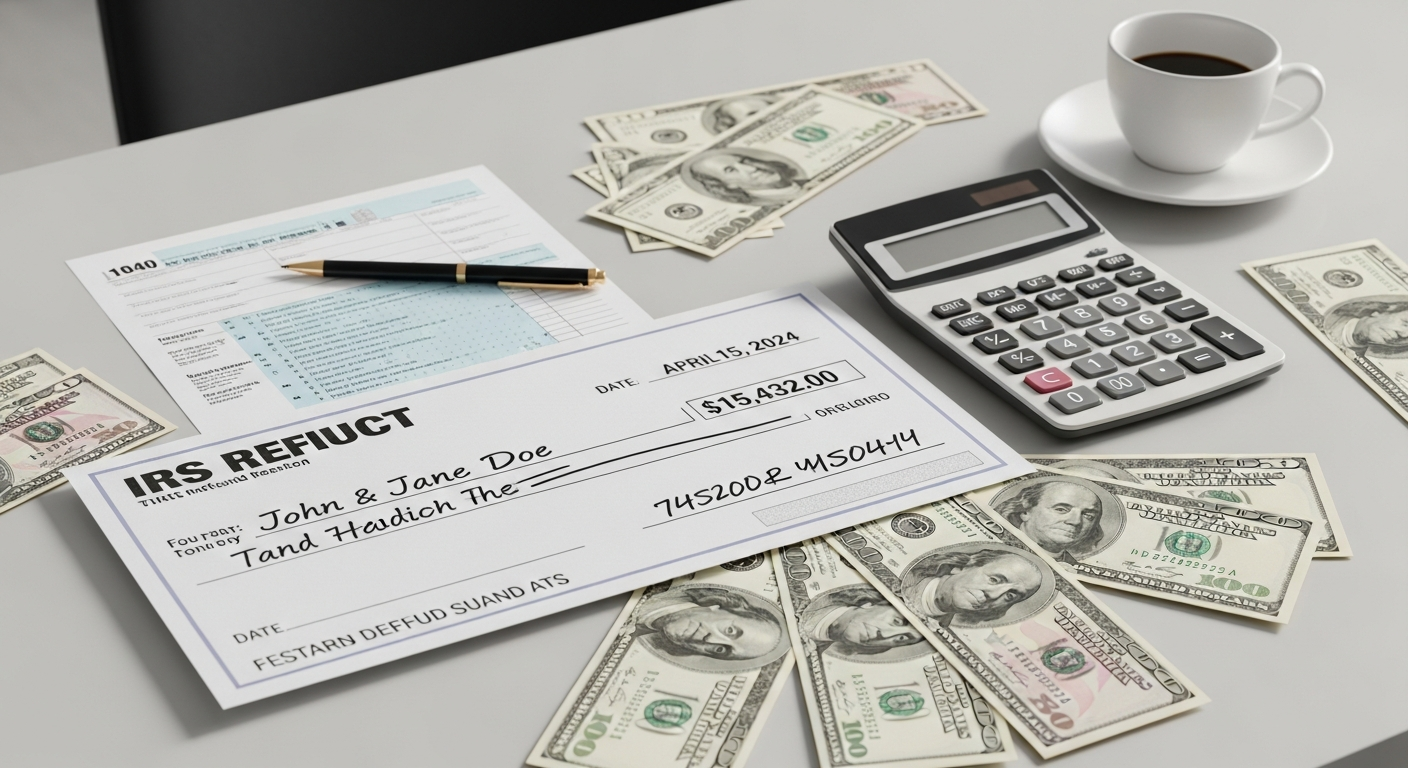
Experts have said this year's tax refunds will be bigger than in years past…
Thanks in large part to several tax breaks for individuals in the OBBB that first took effect in 2025, meaning for 2025 returns that you are filing this year.
Among them: Higher standard deductions. Slightly larger child tax credit. The $6,000 deduction for filers 65 and up ($12,000 on a joint return if both spouses are 65 or older). Write-offs for up to $25,000 of qualified tips, $12,500 of overtime pay and $10,000 of interest paid on loans to buy a new car. Plus the higher $40,000 cap for the state and local tax write-off that itemizers claim on Schedule A of the 1040.
The higher-refund forecast is panning out so far. Based on IRS statistics, the average refund amount for taxpayers filing an individual income tax return on 1040 or 1040-SR for this filing season through Feb. 27 is $3,742. This is up from about the same time last year, when the average refund amount was $3,382.
The White House and its allies have been touting $1,000 or more in higher refunds on average. This hasn't yet happened, but we'll keep monitoring the statistics.
If you owe a debt to a federal agency, take note. IRS can grab your tax refund and apply it against the amount you owe. Debts that may trigger a refund offset are unpaid federal taxes, federal agency nontax debts, state income-tax obligations, certain unemployment compensation debts owed to a state and past-due child support.
Taxpayers can determine whether they owe tax debts that can be offset by tax refunds. Log into your individual online IRS account to view any outstanding tax balances. If you don't have an account, call IRS at 800-829-1040 to inquire if you owe taxes. Call the Bureau of the Fiscal Service at 800-304-3107 to check on nonfederal tax debts that could reduce your refund. Do this before filing your 2025 1040 claiming a refund.
If a refund offset has already occurred, review and keep any IRS notices about it. To resolve debts owed to other agencies, contact those agencies.
What can you do if a refund offset will cause you financial hardship, meaning you cannot pay for your basic living expenses without your refund? For example, maybe you are at risk of eviction or having your utilities shut off, or you need the money for essential medical care or to pay your rent or mortgage.
There's the offset bypass refund (OBR) option. Essentially this allows IRS in limited circumstances to issue you part of your refund to relieve hardship before applying your remaining refund to your federal tax debt. Note this option applies only for past federal tax debts owed, and not for past-due child support, etc. Also, once IRS applies your refund to an outstanding tax debt that you owe, this option is not available, so you must ask for it before IRS offsets your refund.
IRS's National Taxpayer Advocate has some tips for requesting OBR relief:
File your federal income tax return timely and ask for the OBR at that time.
Gather documentation showing your economic hardship.
Call IRS at 800-829-1040 to request relief when you file your return and follow the operator's instructions on how to submit your hardship documents.
IRS's Taxpayer Advocate Service (TAS) can assist you in navigating the OBR process. Complete Form 911 and file the form with a copy of your tax return and hardship documents with your local TAS office. You should then call the local TAS office to ensure they received your submission.
Need Tax Help?
Contact QTA Consultants for expert tax guidance tailored to your needs.
Related Articles
1099 Threshold Jumps to $2,000
Starting with payments made in 2026, the threshold for issuing Form 1099-NEC to independent contractors rises from $600 to $2,000 under the OBBBA. But the backup withholding rules haven't changed—here's what to update in your accounts payable process.
Fast-track R&E deductions
The One Big Beautiful Bill Act restores immediate R&E expense deductions retroactive to 2025. Learn how this change and the Alternative Simplified Credit can benefit your business.